
Selling an accounting practice creates an unusual marketing challenge. You need enough visibility to reach credible buyers, but too much visibility can unsettle staff, concern clients and expose commercially sensitive information before you know who is looking at it. That is why confidential marketing is not the same as simply keeping the sale secret. A well-run process creates controlled visibility. The right buyers learn enough to decide whether the opportunity fits them, while identifying details are protected until there is a legitimate reason to disclose them.
For practice owners, that balance matters. Client relationships often depend on trust, staff may be central to retention, and competitors can learn a great deal from information such as fee levels, service mix, location, team structure and client concentration. The marketing process therefore needs to be deliberate from the first teaser to final due diligence. This guide explains how to market your accounting practice for sale confidentially without making the opportunity so vague that serious acquirers lose interest.
Start With a Confidential Marketing Plan
Before approaching buyers, decide what information can be shared at each stage. This avoids rushed decisions when an interested party asks for more detail and helps everyone involved in the sale follow the same rules. The plan should identify who can know about the sale, which channels will be used, what information appears in the initial teaser, when an NDA is required, and who approves later disclosures. It should also cover how buyer calls, meetings and document access will be handled so that normal practice activity is not disrupted. Confidentiality is strongest when it is built into the process rather than treated as a warning added to an email.
Create an Anonymous but Useful Teaser
The first marketing document should generate interest without making the practice easy to identify. That means describing the commercial shape of the opportunity while removing details that point directly to the firm.
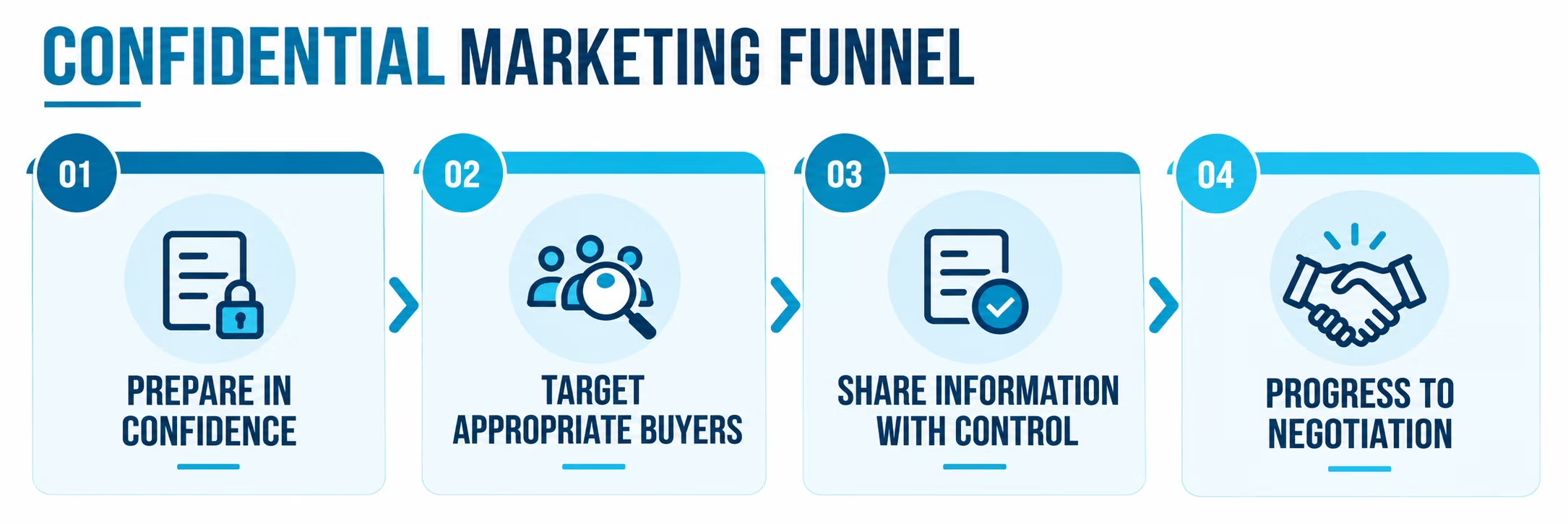
A useful teaser might include a turnover or fee-income band, broad geographic area, approximate team size, main service lines, client profile, growth characteristics and the owner’s preferred transition. It can also highlight strengths such as recurring work, strong retention, digital systems or a balanced client base. Avoid naming the practice, giving an exact address, listing distinctive clients, identifying individual employees or including unusual facts that would allow a local competitor to work out who is selling. Even an apparently harmless combination of location, turnover and niche can reveal more than intended.
Qualify Buyers Before Sharing the Name
Confidentiality improves when fewer people receive sensitive information. Rather than sending a detailed sales pack to every enquiry, screen buyers first. Ask enough questions to understand whether the buyer is credible: what type of practice they want, their preferred geography and size, whether they have completed acquisitions before, how they expect to fund a deal and what timetable they are working to. A strategic fit also matters. A buyer seeking a very different client base or deal structure may not need to progress to the confidential stage. This screening is not about creating unnecessary barriers. It protects the seller’s information and saves both sides time. Serious buyers should be able to explain what they are looking for and how they expect to proceed.
Use an NDA Before Identifying Disclosure
A non-disclosure agreement is a standard control in a confidential sale process. It should be signed before the buyer receives information that identifies the practice or exposes sensitive commercial detail. The NDA can set expectations around how information may be used, who within the buyer’s organisation may see it, whether advisers can receive it, how documents should be protected and what happens to information if discussions end. It can also address direct contact with staff or clients, which should normally be prohibited unless the seller expressly agrees. An NDA does not remove every risk, so it should sit alongside careful buyer selection and staged disclosure. Legal advice is sensible where the wording or circumstances require it.
Release Information in Stages
Once an NDA is in place, resist the temptation to open the entire data room immediately. A buyer usually needs progressively deeper information as confidence and deal seriousness increase. Early post-NDA disclosure can cover fuller financial information, the practice’s identity, systems, broad staffing structure, service mix and an anonymised view of the client base.
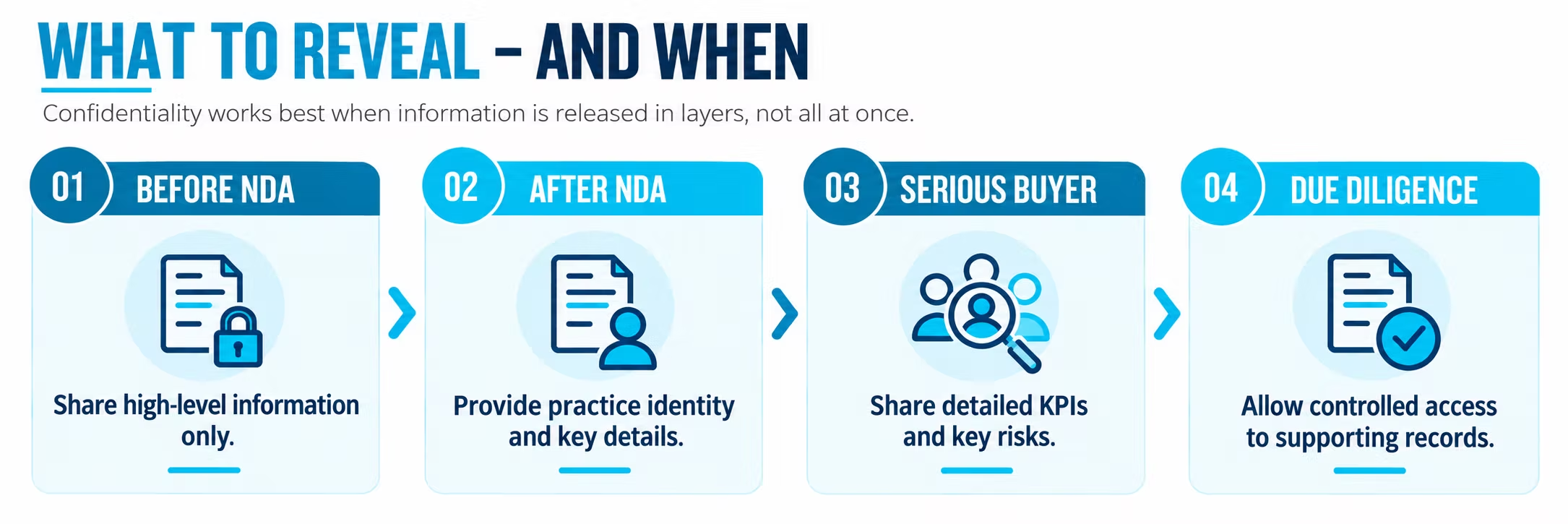
Later, when there is clear interest and commercial alignment, the buyer may need more detailed KPIs, retention information, workflow data, premises commitments, transition expectations and concentration risks. Client-level information should be handled particularly carefully. Names and personally identifiable information are rarely needed to decide whether an opportunity is worth pursuing at an early stage. Data protection obligations should be considered throughout the transaction, especially when documents contain personal data.
Match Disclosure to Buyer Commitment
| Stage | What can be shared | What to hold back |
| Initial teaser | Broad region, fee-income band, service mix, approximate team size, key strengths | Practice name, exact address, client names, employee identities |
| Qualified + NDA | Identity, fuller financials, systems, anonymised client profile, staffing structure | Unnecessary personal data, direct staff/client access |
| Serious negotiations | Detailed KPIs, retention, concentration, premises, transition expectations | Sensitive records not yet relevant to the deal |
| Due diligence | Supporting contracts and records through controlled access | Anything outside legitimate diligence needs |
Control Meetings and Communication
Confidentiality can be lost through behaviour even when the documents are well controlled. A buyer arriving at the office unexpectedly, calling a general practice number or connecting with employees on LinkedIn can trigger questions immediately. Set communication rules at the outset. Use a dedicated contact point for buyer enquiries. Hold early meetings away from the practice or by video. If an on-site visit becomes necessary, schedule it carefully and agree in advance who will attend and how the visit will be explained if someone asks. The same discipline applies internally. Keep the group of people who know about the proposed sale as small as reasonably possible until there is a clear reason to widen it.

Protect Staff and Client Relationships
For many accounting practices, the value being sold is closely linked to recurring client relationships and the people who manage them. Poorly timed disclosure can therefore damage the very asset a buyer wants to acquire. Staff communication should be planned rather than improvised. The right timing depends on the deal, the role of key employees and what consultation or employment obligations apply. When staff are told, they will usually want to understand job security, reporting lines, location, systems and what changes in day-to-day work. Clients also need a clear transition story. In most cases, broad marketing does not require client awareness. Communication becomes more relevant when a transaction is sufficiently advanced and there is a defined plan for introductions, consent where required, continuity of service and the seller’s transition role.
Keep the Buyer Pool Focused
A confidential sale does not need the largest possible audience. It needs enough credible competition to give the seller options without circulating sensitive information unnecessarily. A focused buyer list can include firms seeking geographic expansion, practices wanting complementary services, consolidators with an acquisition strategy and individual buyers with the funding and experience to complete. The right mix depends on the practice and the seller’s priorities. This is where discreet intermediary-led marketing can be useful. A structured process allows the opportunity to be presented without immediately identifying the seller, while enquiries can be filtered before sensitive information is released.
Prepare a Secure Due Diligence Process
When a buyer moves into serious negotiations, confidentiality becomes more operational. Documents should be organised, access controlled and disclosure tracked. Use a secure data room or another controlled document-sharing method rather than sending large quantities of sensitive information through informal email chains. Grant access only to people who need it, organise files logically and consider whether documents should be redacted or anonymised before upload. Good preparation also makes the sale feel more credible. When financial records, recurring revenue information, staffing details, contracts and operational information are organised, buyers can assess the opportunity with fewer ad hoc requests and less unnecessary circulation of data.
Confidential Does Not Mean Vague
One of the biggest mistakes is removing so much information that the opportunity no longer tells buyers anything useful. A teaser that says only ‘profitable accounting practice for sale in the UK’ may protect identity, but it gives a serious acquirer little reason to engage. The goal is selective specificity. Give buyers the facts they need to judge fit, but delay the facts that reveal identity or create avoidable commercial risk. A good confidential process therefore becomes more detailed as buyer commitment increases. Handled well, confidentiality can support a stronger sale process rather than restrict it. The seller stays in control of disclosure, buyers receive relevant information at the appropriate stage, and staff and client relationships are protected until communication has a clear purpose.